Step 1: Understand Your Homeowners Insurance Policy
The first thing you should do before filing any roof insurance claim is read your homeowners’ insurance policy carefully. The fine print matters more than most homeowners realize.
Know What’s Covered
Standard homeowners insurance policies typically cover unexpected damage caused by a covered peril, such as:
- Hail damage and wind damage from storms
- Accidental damage to your roof structure
- Missing shingles caused by high winds or a severe weather event
What is generally not covered includes routine maintenance, wear and tear, and damage tied to maintenance issues on an older roof. Insurance companies are quick to deny claims that appear to be the result of neglect rather than storm damage.
Actual Cash Value vs. Replacement Cost Value
Understanding your insurance coverage terms is a critical step. Two of the most important are:
- Actual Cash Value (ACV): Your insurance provider pays for the roof’s current depreciated value, not what it costs to replace it today.
- Replacement Cost Value (RCV): Your insurance company covers full replacement costs at today’s material prices, minus your deductible.
If your policy is ACV-based, especially on older homes, your payout may fall well short of what a full roof replacement actually costs. Knowing this before you file puts you in a stronger position throughout the entire process.
Step 2: Document the Damage Before Anything Else
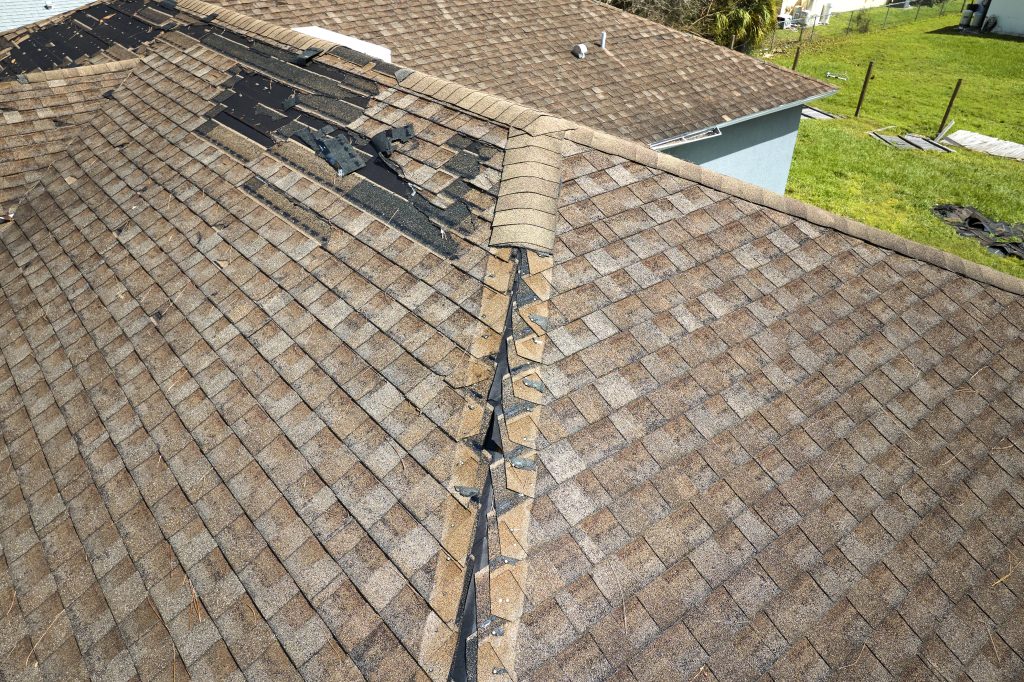
Before the adjuster inspection, document every detail of the damage yourself. Take clear photos and videos of missing shingles, hail damage evidence, and any further damage to gutters, flashing, or siding. This visual inspection creates a starting point that is entirely in your control.
A detailed report of the types of damage you find will also help if there is ever a dispute about the cause of the damage. Insurance estimates that come in low are often challenged successfully with homeowner-provided documentation.
Step 3: Get a Professional Roof Inspection
One of the most important steps in the claims process is hiring a reputable roofing company to conduct a professional roof inspection before your insurance adjuster arrives. An experienced roofing company will identify types of roof damage that an insurance adjuster might overlook or minimize.
Ask for a written report that covers:
- All areas of storm damage, including hail damage and wind damage
- An itemized breakdown of repair costs and full replacement costs
- A professional opinion on whether you need a full roof replacement or a roof repair
Having this documentation in hand before the adjuster inspection gives you a professional opinion to compare against the insurance company’s assessment. This is a strategic decision that puts you ahead of the insurance claim process.
Step 4: File Your Roof Insurance Claim
Once you have your documentation and inspection report in hand, it is time to file your roof insurance claim. Contact your insurance agent or insurance provider directly and report the damage as promptly as possible. Delays can be used to argue that further damage resulted from failure to make temporary repairs, so acting quickly works in your favor.
When filing, be specific about:
- The date and type of damage, whether wind damage, hail damage, or another covered peril
- The areas of the roof affected, supported by your photos and the roofing expert’s report
- Any temporary repairs you made to prevent further damage to your home
Keep a written record of every conversation with your insurance agent throughout the insurance process.
Step 5: How to Negotiate Roof Replacement with Insurance
Once the adjuster has completed their inspection and you have received an initial offer, the real negotiation process begins. Here is exactly what to do.
Don’t Accept the First Offer
The first offer from an insurance company is rarely the final settlement. If the insurance adjuster’s assessment undervalues the damage or denies a full replacement on a roof with significant damage, you have every right to push back.
- Request a second inspection if you believe the initial assessment missed damage
- Submit your roofing expert’s detailed report as a formal request for reconsideration
- Reference the specific terms in your homeowners’ insurance policy that support a full replacement
Insurance companies are not always acting in bad faith, but their adjusters cover many properties quickly. A closer look backed by solid documentation from a trusted contractor often changes the outcome.
When to Hire a Public Adjuster
If your roof replacement insurance claim has been denied or significantly underpaid, hiring a public adjuster is a good idea. A public adjuster works on your behalf rather than for the insurance provider, advocating for a fair settlement. They understand the insurance process, know how to read the fine print, and have experience handling a denied claim.
Be cautious of storm chasers, out-of-state roofing companies that appear after major weather events, promising to manage your roof claim. Always work with a local, professional roofing contractor who has a track record in your community.
Step 6: Handle a Denied or Underpaid Claim
Knowing the common reasons for denial helps you avoid them and respond effectively:
- Damage attributed to routine maintenance or an old roof rather than a covered peril
- Lack of documentation showing the cause of the damage
- Missing shingles or hail claims that predate the reported storm
- Policy exclusions tied to code upgrade coverage or specific terms in your coverage
If your claim is denied, request a written explanation from your insurance agent and compare it carefully against your policy. Review your code upgrade coverage as well, since Indiana building codes may require upgrades during a full replacement that are not automatically included in standard homeowners’ insurance policies. With the right approach and a professional roofing contractor in your corner, a denied claim is not necessarily the end of the road.
Getting a fair settlement on a roof replacement insurance claim is absolutely possible with solid documentation, a clear understanding of your policy, and a professional roofing contractor in your corner. If you are dealing with storm damage or preparing for an adjuster inspection, Urban Shield Roofing offers free professional roof inspections and delivers estimates within 24 hours.
Serving homeowners throughout Bloomington and Monroe County, Indiana, our team is ready to help you navigate the process from start to finish. Contact us today to get started.
This step-by-step guide walks you through the roof leak repair process, from identifying the source of the leak to applying temporary fixes that protect your home until a professional roofer can provide permanent solutions.
How to Patch a Leak in the Roof: Step 1
Identifying the Source of Your Leaky Roof
The first step in addressing minor roof leaks is locating where water is actually entering your home. This isn’t always straightforward, as water can travel along rafters or the underside of the roof decking before dripping into your living space.
Start with a thorough roof inspection of your roof and attic during or immediately after heavy rain. Look for these signs of damage:
- Wet spots or water stains on the roof decking or insulation
- Mold growth or musty smells indicating moisture problems
- Daylight visible through cracks or holes in the roof
- Damaged or missing shingles visible from ground level
Common causes of roof damage in Bloomington include high winds, aging roofing material, and debris from nearby trees. The leak’s location often corresponds with vulnerable areas like roof vents, vent pipes, or where flashing meets the roofing surface.
How to Patch a Leak in the Roof: Step 2
Gathering the Right Tools and Materials
Before starting any DIY repairs, ensure you have the necessary materials and appropriate safety gear. Working on even a slightly steep roof requires proper precautions.
Essential tools include:
- Safety harness and safety goggles
- Ladder tall enough to reach your work area safely
- Utility knife for cutting roofing tape or replacement shingles
- Putty knife for applying roofing cement
- Pry bar for removing damaged shingles
- Caulk gun for precision application
- Wire brush for cleaning the affected area
- Garden hose (for testing repairs)
Materials you’ll need:
- Roofing cement or roof sealant appropriate for your roof types
- Roofing tape for quick patches
- New shingle or patching material matching your existing roof
- Roofing nails for securing replacement shingles
- New flashing if damaged
How to Patch a Leak in the Roof: Step 3
How to Patch a Leak in the Roof by Roofing Material
For small leaks or minor issues, these temporary repairs can prevent extensive water damage until professional inspection and permanent repairs can be scheduled.
- For Asphalt Shingles: If you’ve identified a damaged shingle causing the leak, carefully lift the surrounding shingles with a pry bar. Remove roofing nails from the damaged area, slide out the old shingle, and replace it with a new one. Secure with roofing nails and apply roofing cement under the edges to create a watertight seal.
- For Small Holes or Punctures: Clean the damaged area thoroughly with a wire brush, removing any loose debris or old roofing material. Apply roofing cement generously around small punctures, then cover with roofing tape or a patch of matching roofing material. Press firmly to ensure proper adhesion.
- For Metal Roofs: Small leaks in metal roofs often occur at seams or fasteners. Clean the area completely, then apply a bead of appropriate roof sealant. For larger gaps, use patching material designed specifically for metal roofing.
- For Flat Roofs or Rubber Roof Systems: Identify soft spots or weak spots in the rubber membrane. Clean and dry the affected area completely, then apply roofing cement and a rubber patch, smoothing out any air bubbles for a proper seal.
When DIY Roof Repair Isn’t Enough
While these temporary fixes can address minor roof leaks and prevent immediate structural damage, certain situations require a professional roofing contractor immediately:
- Extensive damage covering large sections of your roof
- Structural issues like sagging or compromised roof decking
- Multiple leak sources suggesting your old roof needs replacement
- Safety concerns on a steep roof or during bad weather
- Signs of long-term water damage indicating extensive water damage to your home’s structure
Professional help ensures that the extent of the damage is properly assessed and permanent solutions are implemented. A qualified roofing contractor in Bloomington has the expertise to identify underlying problems that might not be visible during a basic inspection.
Prevention Through Regular Inspections
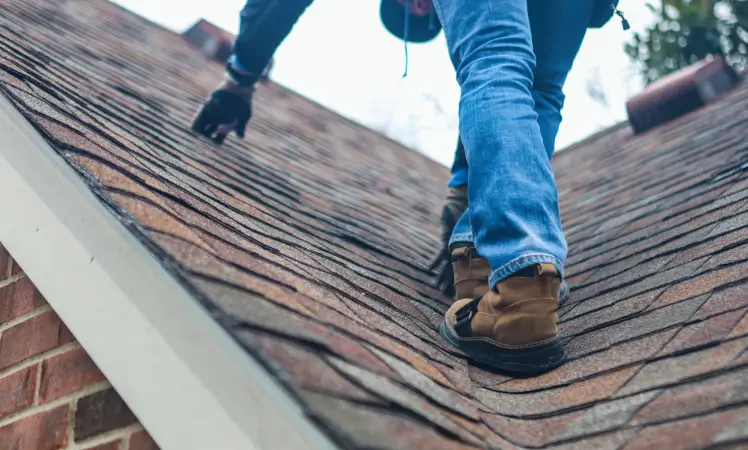
The best approach to avoiding costly repairs is early detection through regular inspections. Schedule professional inspections at least twice yearly, especially after severe storms or high winds. Look for missing shingles, signs of damage around vent pipes and roof vents, and any weak spots that could lead to future leaks.
Remember, while DIY repairs can provide temporary relief for small roof leak situations, they’re not long term solutions for serious roofing problems. Quick action combined with professional expertise gives you the best protection for your entire roof and home’s structure.
Need Expert Roof Repair in Bloomington?
Urban Shield Roofing brings over 30 years of experience to every roof repair process. Our professional installers provide permanent solutions for all roof types, backed by our 10-year workmanship warranty and satisfaction guarantee. Whether you’re dealing with minor issues or major damage, we offer free estimates within 24 hours and 10% discounts for military, first responders, essential workers, and seniors. Don’t let a small leak become extensive damage; contact BBB Accredited Urban Shield Roofing today for your thorough inspection and peace of mind.
Related Articles