Roof Repair & Replacement – Urban Shield Roofing https://urbanshieldroof.com Your Home Fully Protected Fri, 24 Apr 2026 00:02:36 +0000 en-US hourly 1 /wp-content/uploads/2025/10/cropped-urban-sheild-favicon-32x32.png Roof Repair & Replacement – Urban Shield Roofing https://urbanshieldroof.com 32 32 How Long Does a Roof Last in Indiana? - Urban Shield Roofing /blog/how-long-does-a-roof-last/ Thu, 23 Apr 2026 23:59:26 +0000 /?p=2880

“How long does a roof last?” is one of the most common questions homeowners ask before a roof replacement or after a major storm. In Indiana, where seasonal weather swings from humid summers to icy winters, the answer depends on several factors: the roofing material you choose, how well the roof is maintained, and how well it was installed in the first place. 

This guide breaks down realistic lifespan expectations for the most common roofing materials used in Bloomington and Monroe County, along with the key factors that can shorten or extend your roof’s life.

Table of Contents

Average Roof Lifespans by Material

Not all roofing materials age the same way, and understanding the difference can help you plan your next replacement well in advance.

Asphalt Shingles

Asphalt shingle roofing is the most popular roofing material in Indiana and across the country, largely because they offer a solid balance of affordability and durability. There are three main types, and each carries a different lifespan expectation:

  • 3-Tab Asphalt Shingles: The most basic option, typically lasting 15 to 20 years. These are thinner and less resistant to wind and impact than premium alternatives.
  • Architectural (Dimensional) Shingles: A significant upgrade from 3-tab, these shingles generally last 25 to 30 years and hold up better against Indiana’s variable weather.
  • Premium (Luxury) Asphalt Shingles: Designed to mimic the look of slate or wood shake, premium shingles can last 30 to 40 years when properly installed and maintained.
  • Impact Resistant (IR) Shingles: Built to withstand hail and high winds, IR shingles are an excellent investment for Bloomington homeowners who deal with spring and summer storm seasons. Lifespans are comparable to architectural shingles, though they often perform better over time due to their reinforced construction.

Metal Roofing

Metal roofing has grown significantly in popularity for both residential and commercial properties in Indiana, and for good reason. A properly installed metal roof can last 40 to 70 years, making it one of the longest-lasting options on the market.

  • Standing-Seam Metal Roofing: The premium option within the metal category. With concealed fasteners and a sleek, continuous panel design, standing-seam roofs are highly resistant to leaks and can last 50 years or more.
  • Exposed Fastener Metal Roofing: A more cost-accessible metal option. It performs well and lasts 30 to 45 years, though the exposed screws may require periodic inspection to prevent moisture infiltration over time.

How Long Does a Roof Last? Key Factors That Affect Lifespan

Material type gives you a baseline, but it is not the whole story. Several variables will determine whether your roof reaches the high end of its expected lifespan or falls short of it.

How Long Does a Roof Last Based on Climate and Weather Exposure?

Indiana weather is not gentle. Bloomington and Monroe County homeowners contend with spring hailstorms, high winds, heavy rain, ice dams in winter, and significant temperature fluctuations throughout the year. Each of these stressors accelerates the natural aging of roofing materials. Impact-resistant shingles and metal roofing tend to hold up best in this climate over the long term.

How Long Does a Roof Last Based on Installation Quality?

Even the highest-quality materials will underperform if they are not installed correctly. Poor nailing patterns, inadequate underlayment, improper flashing around chimneys or skylights, and insufficient ventilation can all cut years off a roof’s lifespan. This is one of the most important reasons to work with experienced, professional installers rather than the lowest bidder.

How Long Does a Roof Last Based on Attic Ventilation and Insulation?

A roof does not work in isolation. Without proper attic ventilation, heat and moisture build up underneath the roof deck and degrade shingles from the inside out. Poor insulation compounds this problem in winter by contributing to ice dam formation along eaves. If your attic is under-insulated, addressing that issue alongside your roofing project protects your investment long-term.

How Long Does a Roof Last Based on Maintenance and Inspections?

Roofs that receive regular inspections and prompt minor roof repairs consistently outlast roofs that are ignored until a major problem develops. Small issues like cracked caulking around flashing, a few missing shingles, or minor granule loss are inexpensive to fix. Left unaddressed, they allow water to infiltrate the roof deck and accelerate deterioration significantly.

Learn how to tell if you can fix minor roof repairs or if it’s time for a total roof replacement here: Roof Repair vs Replacement: How to Decide What’s Right

Signs Your Indiana Roof May Be Nearing the End of Its Lifespan

Even if you are not sure how old your roof is, certain warning signs indicate that replacement may be approaching:

  • Shingles that are curling, cupping, or visibly cracked
  • Excessive granule loss in gutters or downspouts
  • Visible daylight in the attic or sagging roof sections
  • Persistent leaks or water stains on interior ceilings after rain
  • A roof that is 20 or more years old with no known replacement history

If your roof shows multiple signs from this list, a professional inspection is the right next step before a minor issue becomes a major repair bill.

Learn more about common signs that you may need a full roof replacement here: 5 Warning Signs You Need a New Roof in Bloomington, IN

How to Extend the Life of Your Bloomington Roof

You cannot control Indiana’s weather, but you can take steps to protect your roof’s longevity:

  • Schedule a professional roof inspection at least once a year, ideally in the spring after storm season or in the fall before winter sets in
  • Keep gutters clean and free-flowing to prevent water backup along the roofline
  • Trim overhanging tree branches that can scrape shingles or deposit debris on the roof
  • Address minor repairs quickly rather than waiting for visible interior damage
  • Make sure your attic has adequate ventilation and insulation before or during a roof replacement

Ready for a Roof Inspection or Replacement in Bloomington?

Urban Shield Roofing has served homeowners across Bloomington, Monroe County, and the broader Indiana region for 30+ years. We offer free estimates within 24 hours and back our work with a 10-year workmanship warranty, plus manufacturer warranties up to 50 years on Atlas shingles and 40 years on metal roofing. Military members, first responders, essential workers, and seniors receive a 10% discount on all services. Contact us today to schedule your free estimate.

]]>
What Is Included in Roof Replacement Estimates? - Urban Shield Roofing /blog/what-is-included-in-roof-replacement/ Thu, 12 Mar 2026 12:58:03 +0000 /?p=2743

Most homeowners don’t realize that a roofing estimate should function more like a contract than a quote. Every line item reflects a specific material, labor task, or project cost, and anything left vague or missing is a potential gap in protection. Knowing what to look for puts you in control before the first nail is driven.

Table of Contents

What Is Included in Roof Replacement Estimates? A Line-by-Line Breakdown

When homeowners start collecting bids for a new roof, the numbers can feel overwhelming fast. Understanding what is included in roof replacement estimates is the key to comparing bids accurately, avoiding surprise charges, and making sure you’re getting honest value for one of the biggest investments your home will ever need. A solid estimate isn’t just a price. It’s a full picture of the project from start to finish.

Here’s a line-by-line look at every major cost category you should expect to see when getting a roof replacement.

Core Roofing Materials

Asphalt Shingles

Asphalt shingles are the most visible item in any roofing estimate and are typically priced per square, which equals 100 square feet of roof surface. The product type makes a significant difference in cost and longevity.

  • 3-tab asphalt shingles: The most budget-friendly option with a shorter expected lifespan
  • Architectural/dimensional shingles: The most popular choice, offering a 30+ year lifespan and better curb appeal
  • Impact-resistant shingles: A premium option that may qualify homeowners for insurance discounts
  • Metal, slate, or tile: The highest upfront cost but also the longest lifespan

A detailed estimate should specify the shingle brand, product name, color, and total number of squares being installed. Vague line items like “asphalt shingles” without further detail are worth questioning.

Roofing Underlayment

Underlayment is the moisture barrier that sits between the roof deck and the shingles. Standard felt underlayment is the more affordable option, while synthetic underlayment costs more but provides better durability and water resistance. A reputable estimate will name the specific product being used rather than listing a generic material type.

Roof Decking Repairs

Rotted or damaged decking boards must be replaced before new shingles can be properly installed. Most contractors include a per-sheet rate for any decking replacement needed. 

Because the full extent of damage often isn’t visible until tear-off begins, this line item may be listed as an estimate. Before signing, ask how your contractor communicates and handles additional decking costs discovered mid-project.

What Is Included for Flashing and Ventilation?

Roof Flashing

Flashing is the metal material installed around chimneys, skylights, walls, and roof valleys to prevent water intrusion. Your estimate should clearly state whether existing flashing is being reused or fully replaced. 

Old or poorly installed flashing is one of the most common causes of roof leaks, and most experienced contractors will recommend replacing it entirely during a full roof replacement.

Proper Attic Ventilation

Proper attic ventilation protects against heat buildup, moisture damage, and premature shingle deterioration. Your estimate should specify the type of ventilation included in the scope, whether that is ridge vents, box vents, or soffit vent improvements. 

This line item is sometimes left out of lower-cost bids and worth confirming upfront.

Drip Edge Installation

Drip edge is a metal strip installed along the edges of the roof that directs water away from the fascia board and into the gutters. It is required by most building codes and should be present in any thorough estimate. If it is missing, ask why.

Roof Replacement Labor Costs

Labor is typically one of the largest costs in any roofing estimate. It should cover the full tear-off of the existing roof, installation of all new materials, and site cleanup at the end of the job. Some contractors bundle labor into a per-square rate, while others list it as a separate line item.

Before signing, confirm the answers to these questions:

  • Is tear-off included or billed as an additional charge?
  • How many layers of existing roofing are covered under the quoted price?
  • Is there an upcharge for steep slopes or difficult roof access?

A contractor who is vague about labor or bundles it without explanation is worth pressing for more detail.

Learn more about how labor adds to overall roofing costs in our “What Is the Cost to Replace a Roof in Bloomington, Indiana?” blog.

Roofing Permits and Inspections

Most local jurisdictions require a permit for a full roof replacement. Permit costs vary depending on location but should always be reflected in the estimate. Some contractors pull permits themselves and include the cost directly. 

Others pass the fee to the homeowner separately. Either approach is acceptable, but the cost needs to be accounted for somewhere in the bid. Skipping permits can create complications during home sales or roof insurance claims down the line.

Material and Debris Cleanup and Disposal

A full roof replacement produces a significant amount of debris. The cost of a dump trailer or dumpster and haul-away fees for all old roofing materials should be clearly included in the estimate. This is a line item that sometimes disappears from low-cost bids, which is how unexpected charges surface after the job wraps up.

Additional Items to Watch For

Depending on the condition and complexity of your roof, you may also see the following in a complete estimate:

  • Ice and water shield: A self-adhering waterproof membrane typically installed in valleys, along eaves, and around penetrations in cold or wet climates
  • Pipe boots and collars: Rubber or metal seals installed around plumbing vents
  • Ridge cap shingles: Sometimes listed separately from field shingles
  • Skylight resealing or flashing kits: Flashing or sealant work around existing skylights to prevent water intrusion at the opening
  • Chimney cap replacement or mortar repointing: Protective cap or mortar repairs that seal the top of the chimney and prevent water from entering the flue

Always ask whether these items are included or excluded. Getting clarity before work begins protects you from disagreements after the invoice arrives.

Roof Repair vs. Full Replacement: How to Know Which One You Need

Before diving into replacement estimates, it helps to confirm that a full replacement is actually the right call. In some cases, a targeted roof repair can resolve the problem at a fraction of the cost. In others, patching a failing roof only delays the inevitable and costs more in the long run.

Signs a Repair May Be Enough

  • Damage is isolated to a small, specific area such as a few missing shingles or a single flashing failure
  • The roof is relatively new and the surrounding materials are still in good condition
  • There is no widespread granule loss, sagging, or signs of systemic aging

Signs a Full Replacement Makes More Sense

  • The roof is approaching or past its expected lifespan (typically 20 to 25 years for asphalt shingles)
  • You are seeing widespread granule loss, curling, or cracking across multiple areas of the roof
  • There have been multiple repairs in recent years with leaks continuing to reappear
  • A storm caused damage significant enough to affect a large portion of the roof surface
  • The decking beneath the shingles shows signs of rot, soft spots, or structural compromise

When in doubt, a professional inspection will give you a clear picture. A trustworthy contractor will tell you honestly whether a roof repair or a roof replacement is the smarter long-term investment.

How to Compare Roof Estimates the Right Way

Since not all contractors format their estimates the same way, comparing bids on price alone is a reliable way to make a costly mistake. Instead, look at whether the same shingle brand and product line is being quoted across bids, whether labor, tear-off, and disposal are each itemized, whether permits are included, and what warranty is being offered on both materials and workmanship.

A lower number at the bottom of an estimate is not always a better deal. A bid that is missing several of the categories above almost always means those costs will appear later, or the work simply will not get done.

Get a Transparent, Line-by-Line Roof Replacement Estimate Today

You deserve to know exactly what you’re paying for before any work begins. At Urban Shield Roofing, we provide detailed, no-surprise estimates that break down every material, labor cost, and line item so you can make a confident decision.

Call us today to schedule your free roof replacement estimate.

]]>
How to Negotiate Roof Replacement with Insurance in 6 Steps - Urban Shield Roofing /blog/how-to-negotiate-roof-replacement-with-insurance/ Tue, 10 Mar 2026 20:54:13 +0000 /?p=2722

Knowing how to negotiate roof replacement with insurance can be the difference between a full roof replacement covered by your policy and an out-of-pocket expense that catches you completely off guard. Indiana homeowners face serious weather threats every year, from hail damage and high winds to ice storms and significant damage from strong winds. 

If your roof has taken a hit, the insurance claim process does not have to feel overwhelming. This comprehensive guide walks you through the essential steps to give yourself the best chance at a fair final settlement.

Table of Contents

Step 1: Understand Your Homeowners Insurance Policy

The first thing you should do before filing any roof insurance claim is read your homeowners’ insurance policy carefully. The fine print matters more than most homeowners realize.

Know What’s Covered

Standard homeowners insurance policies typically cover unexpected damage caused by a covered peril, such as:

  • Hail damage and wind damage from storms
  • Accidental damage to your roof structure
  • Missing shingles caused by high winds or a severe weather event

What is generally not covered includes routine maintenance, wear and tear, and damage tied to maintenance issues on an older roof. Insurance companies are quick to deny claims that appear to be the result of neglect rather than storm damage.

Actual Cash Value vs. Replacement Cost Value

Understanding your insurance coverage terms is a critical step. Two of the most important are:

  • Actual Cash Value (ACV): Your insurance provider pays for the roof’s current depreciated value, not what it costs to replace it today.
  • Replacement Cost Value (RCV): Your insurance company covers full replacement costs at today’s material prices, minus your deductible.

If your policy is ACV-based, especially on older homes, your payout may fall well short of what a full roof replacement actually costs. Knowing this before you file puts you in a stronger position throughout the entire process.
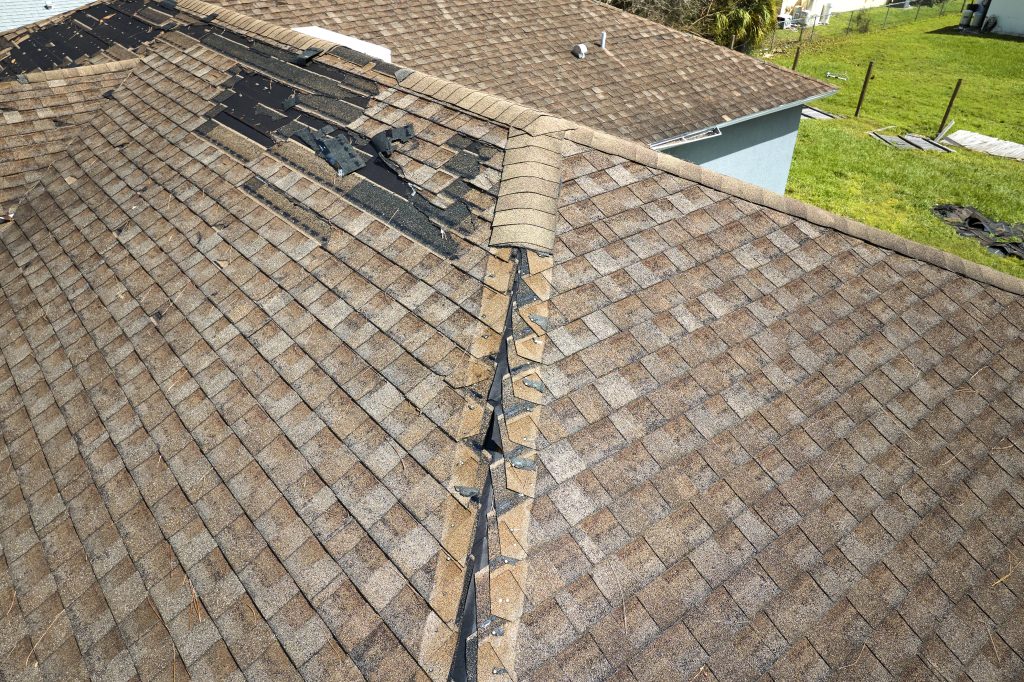
A home with damaged shingles displaying one of the main signs you need a new roof

Step 2: Document the Damage Before Anything Else

Before the adjuster inspection, document every detail of the damage yourself. Take clear photos and videos of missing shingles, hail damage evidence, and any further damage to gutters, flashing, or siding. This visual inspection creates a starting point that is entirely in your control.

A detailed report of the types of damage you find will also help if there is ever a dispute about the cause of the damage. Insurance estimates that come in low are often challenged successfully with homeowner-provided documentation.

Step 3: Get a Professional Roof Inspection

One of the most important steps in the claims process is hiring a reputable roofing company to conduct a professional roof inspection before your insurance adjuster arrives. An experienced roofing company will identify types of roof damage that an insurance adjuster might overlook or minimize.

Ask for a written report that covers:

  • All areas of storm damage, including hail damage and wind damage
  • An itemized breakdown of repair costs and full replacement costs
  • A professional opinion on whether you need a full roof replacement or a roof repair

Having this documentation in hand before the adjuster inspection gives you a professional opinion to compare against the insurance company’s assessment. This is a strategic decision that puts you ahead of the insurance claim process.

Step 4: File Your Roof Insurance Claim

Once you have your documentation and inspection report in hand, it is time to file your roof insurance claim. Contact your insurance agent or insurance provider directly and report the damage as promptly as possible. Delays can be used to argue that further damage resulted from failure to make temporary repairs, so acting quickly works in your favor.

When filing, be specific about:

  • The date and type of damage, whether wind damage, hail damage, or another covered peril
  • The areas of the roof affected, supported by your photos and the roofing expert’s report
  • Any temporary repairs you made to prevent further damage to your home

Keep a written record of every conversation with your insurance agent throughout the insurance process.

Step 5: How to Negotiate Roof Replacement with Insurance

Once the adjuster has completed their inspection and you have received an initial offer, the real negotiation process begins. Here is exactly what to do.

Don’t Accept the First Offer

The first offer from an insurance company is rarely the final settlement. If the insurance adjuster’s assessment undervalues the damage or denies a full replacement on a roof with significant damage, you have every right to push back.

  • Request a second inspection if you believe the initial assessment missed damage
  • Submit your roofing expert’s detailed report as a formal request for reconsideration
  • Reference the specific terms in your homeowners’ insurance policy that support a full replacement

Insurance companies are not always acting in bad faith, but their adjusters cover many properties quickly. A closer look backed by solid documentation from a trusted contractor often changes the outcome.

When to Hire a Public Adjuster

If your roof replacement insurance claim has been denied or significantly underpaid, hiring a public adjuster is a good idea. A public adjuster works on your behalf rather than for the insurance provider, advocating for a fair settlement. They understand the insurance process, know how to read the fine print, and have experience handling a denied claim.

Be cautious of storm chasers, out-of-state roofing companies that appear after major weather events, promising to manage your roof claim. Always work with a local, professional roofing contractor who has a track record in your community.

Step 6: Handle a Denied or Underpaid Claim

Knowing the common reasons for denial helps you avoid them and respond effectively:

  • Damage attributed to routine maintenance or an old roof rather than a covered peril
  • Lack of documentation showing the cause of the damage
  • Missing shingles or hail claims that predate the reported storm
  • Policy exclusions tied to code upgrade coverage or specific terms in your coverage

If your claim is denied, request a written explanation from your insurance agent and compare it carefully against your policy. Review your code upgrade coverage as well, since Indiana building codes may require upgrades during a full replacement that are not automatically included in standard homeowners’ insurance policies. With the right approach and a professional roofing contractor in your corner, a denied claim is not necessarily the end of the road.

Getting a fair settlement on a roof replacement insurance claim is absolutely possible with solid documentation, a clear understanding of your policy, and a professional roofing contractor in your corner. If you are dealing with storm damage or preparing for an adjuster inspection, Urban Shield Roofing offers free professional roof inspections and delivers estimates within 24 hours. 

Serving homeowners throughout Bloomington and Monroe County, Indiana, our team is ready to help you navigate the process from start to finish. Contact us today to get started.

]]>
What Is the Cost to Replace a Roof in Bloomington, Indiana? - Urban Shield Roofing /blog/what-is-the-cost-to-replace-a-roof/ Thu, 12 Feb 2026 02:50:12 +0000 /?p=2658

If you are a homeowner in Bloomington or Central Indiana, one of the biggest questions on your mind is likely what is the cost to replace a roof. The short answer is that most homeowners pay between $8,000 and $25,000 or more for a full roof replacement, but the final price depends on several factors specific to your home and the roofing materials you choose. Understanding what drives those numbers can help you make an informed decision and avoid surprises when the estimate arrives.

Factors That Determine the Overall Cost of a New Roof

No two roofing projects are exactly alike. The total cost of your new roof depends on a combination of material choices, home characteristics, and job complexity. Here is a closer look at the factors that play a huge role in your average roof replacement costs.

Roof Size and Square Footage

Roof size is the single biggest factor in determining price. Roofing contractors measure in “squares,” where one square equals 100 square feet of roof surface. The average roof size for a home in the Bloomington area falls between 1,500 and 2,500 sq ft, though older neighborhoods and rural properties can vary widely. The larger the square footage, the more materials and labor are required, which increases the overall cost.

Cost of Roofing Materials

The material you select has a direct impact on both upfront cost and long-term value. Here are some of the most popular options in the Bloomington market:

  • Architectural asphalt shingles are the area’s most common material, offering a great balance of durability and affordability. A standard asphalt shingle roof typically runs $8,000 to $15,000 for an average-sized home.
  • Impact-resistant shingles cost slightly more upfront but can reduce insurance premiums and hold up better against storm damage. They are an increasingly popular upgrade in Central Indiana.
  • Metal roofing, including standing-seam and exposed-fastener systems, ranges from $15,000 to $30,000 or more. Metal roofs last significantly longer and require less maintenance over time.
  • Cedar shakes offer a distinctive look but come with higher costs for both installation and ongoing upkeep.
  • Flat roof systems such as TPO, EPDM, and modified bitumen are common on commercial and some residential properties, with pricing that varies based on the system selected.

Premium materials generally carry higher costs, but they also deliver better warranties, improved energy efficiency, and a longer lifespan.

Pitch of Your Roof

The pitch of your roof affects how difficult the installation is and how much material is needed. Steeper roofs require additional safety measures, more labor hours, and sometimes specialized equipment. A low-slope or flat roof may have different material requirements altogether.

Labor Costs

Labor costs in Bloomington typically account for 40% to 60% of the total project price. Experienced crews who follow manufacturer installation guidelines are essential for ensuring your warranty remains valid, and your roof performs as expected through the first rain event and beyond.

What Is the Cost to Replace a Roof When Additional Work Is Needed?

Sometimes a roof replacement involves more than just removing the old roof and installing a new one. Additional work can affect your final price significantly.

Decking and Structural Repairs

Once the old roof is removed, contractors may find damaged decking sheets or rotted wood that needs to be replaced before the new materials go on. This is common in homes that have experienced roof leaks or prolonged moisture exposure. The repair cost for decking replacement varies depending on the extent of the damage.

Gutter Work

Many homeowners choose to address gutter work during a roof replacement since the crews and equipment are already on site. Adding seamless gutters or gutter guards at the same time can save on future labor costs.

Ventilation and Insulation

Proper attic ventilation is critical for roof longevity. If your attic is lacking adequate insulation, upgrading during a roof replacement is a cost-effective way to improve energy efficiency and protect your investment.

Learn more about the roof replacement timeline and what can add to your roof replacement costs here: How Long Does It Take to Replace a Roof? Material Timelines

How Storm Damage and Insurance Claims Affect Pricing

Severe weather is a reality in Central Indiana, and storm damage is one of the most common reasons homeowners need a full replacement. If your roof has been damaged by hail or wind, filing an insurance claim can offset a significant portion of the cost.

An insurance adjuster will assess the damage and determine coverage based on your policy. Understanding the difference between RCV roofing coverage (replacement cost value) and actual cash value can make a significant difference in your out-of-pocket expense. Documenting the damage early and getting a professional roof inspection before meeting with your adjuster puts you in a stronger position.

Keep in mind that not all damage requires a full replacement. In some cases, targeted roof repairs may be all that is needed to restore your roof’s integrity and extend its life.

Learn more about roof repairs vs roof replacements here: Roof Repair vs Replacement: How to Decide What’s Right

Tips for Getting an Accurate Quote

Getting a reliable estimate starts with choosing the right contractor. Here are a few tips to help you get an accurate quote and avoid unexpected charges:

  • Request a detailed, written estimate that breaks down materials, labor costs, and any additional work.
  • Ask about warranty coverage, including manufacturer and workmanship warranties.
  • Look for positive comments and reviews from other Bloomington homeowners.
  • Make sure an employee is present during the inspection, not just a subcontractor.
  • Get at least two to three estimates so you can compare pricing and scope.

The bottom line is that the cheapest quote is not always the best value. Contractors who use premium materials, employ trained installers, and stand behind their work with strong warranties often deliver a better end result that protects your home for decades.

Ready to Find Out What Your Roof Replacement Will Cost?

If you are considering a new roof in Bloomington, Urban Shield Roofing offers free estimates within 24 hours. With 30+ years of experience, BBB accreditation, and Atlas Preferred Contractor status, we provide competitive, upfront pricing with no hidden fees. 

Our 50-year shingle warranty, 40-year non-fade metal roofing guarantee, and 10-year workmanship warranty give you peace of mind that your investment is protected. Call us today for a free inspection and get the accurate quote you need to move forward with confidence.

]]>
How Long Does It Take to Replace a Roof? Material Timelines - Urban Shield Roofing /blog/how-long-does-it-take-to-replace-a-roof/ Mon, 09 Feb 2026 17:39:58 +0000 /?p=2636

One of the most common questions Bloomington homeowners ask before scheduling a roofing project is, “How long does it take to replace a roof?” The short answer is that most residential roof replacements take between one and three days, but the full timeline depends on various factors like roof size, material type, weather conditions, and overall roof complexity. Understanding what goes into the roof replacement process can help you set realistic expectations and plan around your schedule with confidence.

A full roof replacement is a significant home improvement project, and knowing the average timeline upfront makes the overall process much less stressful. Below is a breakdown of what affects installation time and what you can expect for different roofing materials commonly used in Monroe County and the surrounding Bloomington area.

Key Factors That Affect Your Roof Replacement Timeline

No two roofing projects are exactly alike. Several crucial factors determine the amount of time your roof replacement project will take from start to final cleanup.

Size of Your Roof

The size of your home and the total square footage of your roof play the biggest role in determining how long the job takes. Average-sized homes with straightforward layouts can often be completed in a single day. Larger homes and larger roofs naturally require additional time, sometimes stretching the project to two or three days, depending on the surface area involved.

Roof Pitch and Complexity

Steep slopes and steep pitches slow down the roofing crew because they require extra safety precautions and careful planning during installation. Complex roofs with multiple valleys, dormers, skylights, or varying angles also add extra time compared to simple, open layouts. The complexity of your roof directly impacts how quickly crews can move across the surface and install new materials.

Weather Conditions in Bloomington

Indiana weather can be unpredictable, and weather delays are one of the most common delays during a roofing project. High winds, rain, and extreme temperatures can all pause work for safety reasons. Extreme heat during the summer months can also affect crew productivity and material performance. 

Many Bloomington homeowners find that scheduling during late spring or early fall offers the most favorable local conditions and fewer interruptions from weather.

Structural Issues and Necessary Repairs

Once the old roofing materials are removed, the roofing crew may discover hidden problems like water damage, rotting roof decking, or other structural damage that was not visible from the outside. 

Structural repairs must be completed before new roofing material can be installed, as proper installation requires a solid foundation. These necessary repairs can add a day or more to the overall process, but skipping them would compromise the entire system.

Not sure if you need a full roof replacement, or if you just need a few repairs? Learn more here: Roof Repair vs Replacement: How to Decide What’s Right

How Long Does It Take to Replace a Roof Based on Material Type?

The type of materials you choose has a direct impact on your roof replacement timeline. Here is what to expect for different roofing materials popular among Bloomington homeowners.

How Long Does it Take to Replace a Roof with Asphalt Shingles?

An asphalt shingle roof is the most popular choice for residential roof replacements in the Bloomington area, and for good reason. Standard asphalt shingles are lightweight, easy to work with, and allow for efficient installation. For average-sized homes, a professional roofing crew can typically complete the job in one to two days.

This includes tearing off old shingles, inspecting the decking, and installing the new materials. Architectural and premium shingles from trusted manufacturers like Atlas follow a similar timeline, though heavier materials or specialty materials may require slightly more time.

How Long Does it Take to Replace a Roof Made of Metal?

Metal roofs generally take longer to install than asphalt shingles. Standing-seam metal panels require precise measurements and careful alignment, which means installation time typically runs two to four days for most homes. 

Exposed fastener metal roofing tends to go a bit faster, often taking less time than standing-seam systems. While metal roofing requires additional time upfront, homeowners benefit from a longer lifespan and a 40-year non-fade warranty that makes the major investment well worth it.

How Long Does it Take to Replace a Roof with Other Roofing Materials?

Concrete tiles and other heavier materials can extend the timeline further, often requiring three to five days or more, depending on the size of the roof and crew size. These products demand extra structural support and more careful handling during installation.

What to Expect During the Roof Replacement Process

Understanding each step of the overall process helps set realistic timelines and reduces surprises along the way.

  • Pre-installation preparation. Your professional roofing contractor will schedule your start date, order materials, and confirm material availability. Busy seasons in Bloomington, particularly late spring through early fall, may affect scheduling by a few business days.
  • Tear-off and inspection. The roofing crew removes old materials and inspects the decking for any visible damage, water damage, or structural issues that need attention before moving forward.
  • Repairs and preparation. If the crew discovers any problems, structural repairs or decking replacement happen at this stage. This step ensures a solid foundation for your new roof.
  • Installation of new roofing material. Whether you choose asphalt shingles, metal panels, or another option, this is the core of the project. Larger crews can often complete this phase faster, though proper installation should never be rushed.
  • Final cleanup and inspection. The final step includes clearing all debris, running magnets for stray nails, and conducting a final inspection to make sure everything meets quality standards.

Tips for Keeping Your Project on Schedule

A little careful planning goes a long way toward avoiding unexpected delays. Here are a few tips Bloomington homeowners should keep in mind.

  • Schedule your project during favorable weather windows when possible. Late spring and early fall tend to offer the best conditions in central Indiana.
  • Address any known issues, like a minor repair or visible damage, before the full replacement begins to avoid surprises.
  • Work with a professional roofing company that provides realistic timelines and communicates clearly about each phase of the project.
  • Ask about crew size and material availability during your initial consultation to understand the expected schedule.

Ready to Get Started on Your Roof Replacement?

A roof replacement is a significant investment in your home, and understanding the timeline helps you plan with confidence. Whether you need standard asphalt shingles, metal roofing, or want to explore your options, Urban Shield Roofing is here to help Bloomington homeowners every step of the way. 

With 30 years of experience, BBB accreditation, and a 10-year workmanship warranty, we make the roof replacement process as smooth and stress-free as possible. Contact us today for a free estimate within 24 hours and take the first step toward a roof that is built to last.

Related: What Is the Cost to Replace a Roof in Bloomington, Indiana?

]]>
Roof Repair vs Replacement: How to Decide What’s Right - Urban Shield Roofing /blog/roof-repair-vs-replacement/ Fri, 23 Jan 2026 17:31:44 +0000 /?p=2609

When you discover roof damage, the big question every homeowner faces is whether to repair or replace. The decision between roof repair vs replacement isn’t always straightforward, but understanding key factors can help you make an informed decision that protects your home and your budget. 

This guide breaks down everything Bloomington homeowners need to know about evaluating their roof’s condition and choosing the best option for long-term value.

Understanding the Extent of the Damage

The first step in your decision-making process is getting a thorough inspection to assess the condition of your roof. Knowing the signs you need a new roof before that inspection helps you ask the right questions and understand what the contractor finds. A professional roof inspection reveals whether you’re dealing with minor issues or widespread damage that requires attention.

Signs Your Roof May Need Repair:

  • Small leaks or water intrusion in isolated areas
  • A few missing or damaged shingles
  • Localized storm damage affecting specific sections

These targeted repair situations address specific issues without the cost of a full replacement. However, certain conditions indicate a complete replacement becomes the most cost-effective solution:

Signs Your Roof Needs Replacement:

  • Large areas of missing or damaged shingles
  • Evidence of structural damage to roof decking
  • Damage appearing across multiple sections of your roof
  • Water stains visible on interior ceilings
  • Sagging or uneven areas on the roof surface
  • Daylight visible through roof boards from your attic

These signs of wear suggest the entire roof system has been compromised, making a complete roof replacement the right choice for your home’s needs.

Do you have a small leak on your roof? Learn how to fix it with our “How to Patch a Leak in the Roof: A Step-by-Step Guide for Bloomington Homeowners” blog.

Key Factors That Influence Your Decision

Age of Your Roof

Roof age plays a critical role in determining the best way forward. Asphalt shingle roofs typically last 20-25 years, while metal roofing can protect your home for 50 years or more. If your roof is in the final quarter of its expected lifespan, investing in frequent repairs rarely makes sense in the long run.

An old roof showing widespread issues benefits more from new roof installation than patching problems that will reappear. Conversely, a relatively young roof in good shape with minor damage is an ideal candidate for repair costs that preserve your existing investment.

Cost Analysis and Long-Term Value

While minor leaks might seem like an easy fix, consider these financial factors:

  • Repair costs add up quickly when problems recur every few years
  • A second layer of shingles (layover) provides only a temporary solution and can hide bigger problems
  • Complete roof replacement offers long-term protection and improved energy efficiency
  • New roofing materials come with manufacturer warranties that provide peace of mind
  • Enhanced curb appeal and resale value from a new roof benefit future plans

The right decision balances immediate repair costs against the long-term benefits of replacement. If you’re planning to stay in your home for the near future, investing in a new roof delivers better value than spending thousands on costly repairs that delay the inevitable.

Learn the cost for a full roof replacement here: What Is the Cost to Replace a Roof in Bloomington, Indiana?

When Roof Repair Is the Best Choice

Minor roof repairs make sense when your roof meets these criteria:

  • The roof is relatively young (less than 15 years old for asphalt shingles)
  • Damage is limited to small issues in one or two areas
  • Your most recent professional inspection showed the roof in good condition overall
  • No signs of structural issues or widespread water damage
  • The repair addresses specific problems from recent storm damage or high winds
  • Your homeowners’ insurance may cover weather-related damage

A trusted roofing contractor can handle these minor issues quickly, restoring your roof’s protection without major expense. Regular inspections help catch small problems before they become bigger problems requiring extensive work.

When Complete Replacement Is the Right Call

Consider full roof replacement when you notice:

  • Your asphalt roof is 20+ years old, with frequent repairs needed
  • Extensive damage across multiple roof sections
  • Structural damage affecting the roof decking or support
  • Widespread leaks are causing water damage to your home’s interior
  • Energy bills are increasing due to poor insulation and ventilation
  • Multiple layers of existing shingles already installed
  • Curling, cracking, or missing shingles throughout large areas

A complete replacement solves current problems while preventing further damage. New shingles, improved energy efficiency, and modern roofing materials deliver long-term protection that makes this the best option for aging roofs.

Learn more about roof replacement timelines here: How Long Does It Take to Replace a Roof? Material Timelines

The Weather Factor in Bloomington

Indiana’s weather conditions significantly impact your roof’s lifespan. Bloomington homes face:

  • Severe storms with high winds and hail, causing storm damage
  • Temperature fluctuations that stress roofing materials
  • Ice dam formation in the winter months
  • Heavy rainfall tests your roof’s water resistance

These challenging weather patterns mean Bloomington roofs often need attention sooner than roofs in milder climates. Understanding how local conditions affect your roof’s age and condition helps you make the right decision.

Getting an Honest Assessment

Most common questions about repair versus replacement get answered through a free roof inspection from a qualified contractor. And if your damage was storm-related, understanding how to negotiate with your insurance company before you file can make a significant difference in what you recover. Look for professional roofing contractors who provide:

  • Thorough inspection of all roof components
  • Honest recommendations without pressure tactics
  • Clear explanations of the extent of damage
  • Detailed cost comparisons for repair and replacement options
  • Guidance on insurance claims if storm damage is involved

The next step after your inspection is weighing the information against your budget, future plans, and home value goals. A confident decision comes from understanding both short-term costs and long-term solution benefits.

Making Your Confident Decision of a Roof Repair vs Replacement

The decision between repair and replacement ultimately depends on your specific situation. Consider your roof’s condition, the age of your roof, whether you’re experiencing minor damage or widespread issues, and your plans for the home. Sometimes, minor repairs buy you time, while other situations demand the honest assessment that replacement is the best way to protect your investment.

Ready to make an informed decision about your roof? Urban Shield Roofing provides free roof inspections within 24 hours for Bloomington homeowners. Our experienced team delivers honest recommendations and competitive pricing on both repairs and replacements. Contact us today for your thorough inspection and find out which option is right for your home.

]]>
DIY Roof Repairs vs. Hiring a Professional: Which Is Better? - Urban Shield Roofing /blog/diy-roof-repairs-vs-professional-roofer/ Thu, 18 Dec 2025 22:23:06 +0000 /?p=2326

When you spot signs of damage on your roof, the critical decision between tackling the repair yourself or calling professional roofers can significantly impact your home’s protection and your wallet. 

While DIY roof repairs might seem like an attractive option for cost savings, understanding when to grab your tools versus when to reach for the phone is essential for making an informed choice that protects both your safety and your investment.

When DIY Roof Repairs Might Be Appropriate

The average homeowner with proper training and the right tools can handle certain simple DIY roof repairs without professional intervention. These minor issues typically don’t involve significant structural components or extensive damage.

Suitable DIY Projects Include:

  • Replacing a few missing shingles in good condition
  • Applying roof sealant to small, visible cracks
  • Cleaning gutters and removing debris
  • Installing gutter guards on accessible areas
  • Patching a small roof leak
  • Minor flashing repairs around vents
 

Even for these basic tasks, you’ll need proper safety equipment, including a sturdy ladder, safety harness, non-slip footwear, and proper safety gear. The repair process for minor repairs should only proceed if you have these essentials and feel confident in your abilities.

The Real Risks of the DIY Approach

Safety Concerns Are Paramount

Safety hazards represent the most significant risks when attempting DIY roof repairs. According to industry data, roofing consistently ranks among the most dangerous home improvement tasks. The risk of accidents increases dramatically without proper safety protocols and equipment. Professional roofers undergo extensive training in fall prevention and use commercial-grade safety equipment that most homeowners don’t possess.

Falls from roofs can result in serious injuries or worse, and even experienced DIY enthusiasts can encounter unexpected challenges. Professional roofing contractors carry liability insurance specifically designed to protect homeowners from these risks.

Small Mistakes Lead to Bigger Problems

What appears as a simple fix often masks more complex systems underneath. A minor roof leak might actually indicate water damage to the roof’s structure, requiring thorough roof inspections to identify the root cause. 

DIY roof repairs performed without professional expertise frequently result in:

  • Improper repairs that void warranty coverage
  • Further damage to the surrounding roofing materials
  • Mold growth in hidden areas due to undetected moisture
  • Structural damage that compounds over time
  • Expensive problems requiring complete replacement rather than repair
 

The first time a homeowner attempts DIY roof repairs without understanding proper techniques, small mistakes can create costly repairs down the line. What seemed like cost savings initially often results in higher costs when professional services are eventually needed to fix both the original issue and the DIY damage.

Not sure if you need a roof repair or a full replacement? Learn more here: Roof Repair vs Replacement: How to Decide What’s Right

When Professional Repairs Are the Best Choice

Complex Roofing Issues Require Professional Expertise

Certain roofing projects simply demand the years of experience and specialized knowledge that professional roofing companies provide. These situations include:

Scenarios Requiring Immediate Action from Professionals:

  • Extensive damage affecting multiple roof sections
  • Structural damage or sagging areas
  • Complex leak identification requiring infrared detection
  • Ice dam removal and prevention
  • Storm damage assessment for insurance company claims
  • Any repair involving roof valleys, peaks, or major penetrations
  • Standing water or pooling on flat/low-slope roofs
 

A licensed roofing contractor brings diagnostic skills that help identify the extent of damage and address underlying causes rather than just visible symptoms. They can spot potential risks that might escape an untrained eye during routine roof maintenance.

Quality Workmanship and Materials Matter

Professional roofing contractors have established relationships with suppliers, ensuring access to high-quality materials at better prices than retail. They understand which roofing materials work best for specific conditions and can guarantee proper installation according to manufacturer specifications.

The quality of work from professional repairs includes:

  • Warranty coverage on both materials and labor
  • Proper ventilation assessment and correction
  • Code compliance for your municipality
  • Thorough inspections before and after work
  • Documentation for your insurance company if needed
 

Professional teams also complete repair projects efficiently, minimizing the time your home remains vulnerable to the elements. What might take an inexperienced homeowner an entire weekend, with significant risks, professionals accomplish in hours with better results.

The True Cost Comparison

Understanding Long-Run Value

While roof repair costs initially make DIY projects appear economical, the real differences become clear over time. Professional intervention often proves the best course of action when considering:

Hidden DIY Costs:

  • Purchasing or renting proper tools and safety equipment
  • Multiple trips to purchase the right materials
  • Time investment (often underestimated for first-time projects)
  • Potential medical expenses from accidents
  • Future repairs to fix improper work
  • Lost warranty protection on roofing materials
 

Professional roofing company services include labor costs, but also provide peace of mind through guaranteed workmanship, safety protocols, and accountability. The additional cost upfront frequently prevents bigger issues and more expensive problems later.

Making the Best Option for Your Roofing Needs

The informed decision between professional and DIY roof repairs depends on honestly assessing the condition of your roof, your skill level, and the complexity of roofing issues present. For anything beyond replacing a few shingles or basic cleaning, professional roofers represent the right choice for most homeowners.

Consider these questions when facing roofing repair decisions:

  • Do I have all the proper safety equipment and know how to use it correctly?
  • Can I accurately diagnose what’s causing visible signs of damage?
  • Will DIY work affect my roof’s existing warranties?
  • Am I physically capable of safely working at heights?
  • Do I understand building codes for roofing in my area?
 

If you answered “no” to any question, professional services provide the safest, most reliable solution. Even for seemingly simple repairs, the safety concerns and potential for costly mistakes make professional expertise valuable.

Need Expert Roofing Solutions in Bloomington?

Urban Shield Roofing brings over 30 years of experience serving Monroe County homeowners. Our professional team provides free consultations to assess your roofing needs and help you understand the best course of action for your specific situation. 

As BBB-accredited, Atlas Preferred Contractors, we guarantee quality workmanship backed by industry-leading warranties. Contact us today for your free estimate and discover why Bloomington homeowners trust us to protect what matters most. 

]]>
How Much Does It Cost to Repair a Roof in Indiana? Price Guide - Urban Shield Roofing /blog/how-much-does-it-cost-to-repair-a-roof/ Thu, 20 Nov 2025 22:16:55 +0000 /?p=2311 How much does it cost to repair a roof when you’re facing damage to your Indiana home? Understanding roofing costs helps you budget appropriately and make an informed decision about necessary repairs. The average cost of roof repairs in Indiana ranges from $300 for minor fixes to over $1,500 for extensive damage, though various factors influence your final price.

How Much Does it Cost to Repair a Roof: Average Costs

The overall cost of your roofing project depends on several key factors including the type of roof, extent of the damage, and size of your roof. Indiana homeowners typically spend between $500 and $1,200 for most common roof repair categories, though this can vary significantly based on your specific situation.

Minor roof repair services like replacing a few missing shingles or fixing a small leak generally cost less than addressing structural damage or water damage that affects large sections of your roof. The good news is that catching minor issues early prevents them from becoming major work that requires higher costs down the road.
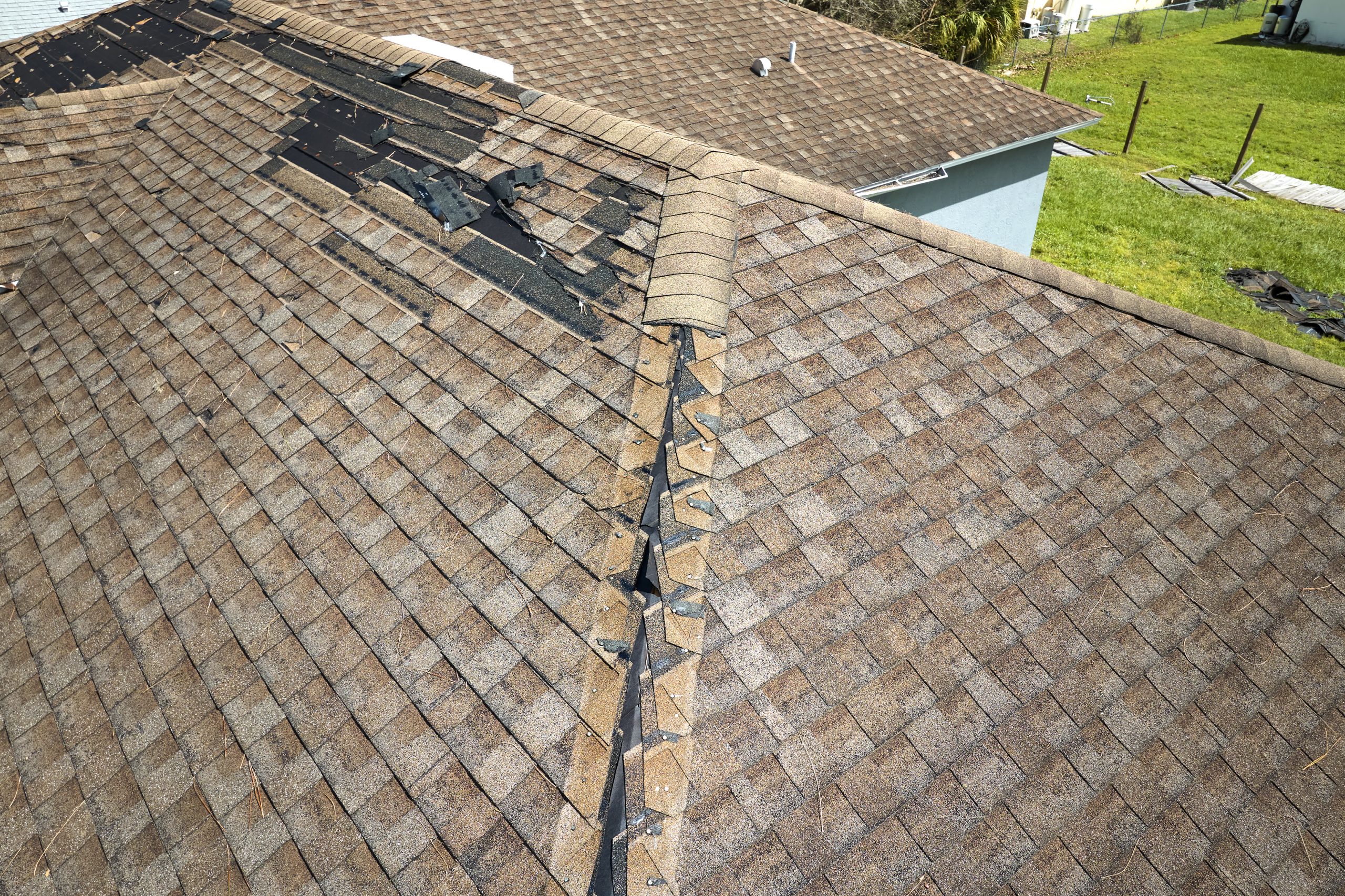
How Much Does It Cost to Repair a Roof in Indiana? Key Factors

Several elements determine the actual cost of your roof repairs:

Material Choice and Type of Roof

  • Asphalt shingles are the most affordable to repair, with architectural shingles costing slightly more than basic three-tab options
  • Metal roofing repairs typically run higher due to specialized installation techniques and material costs
  • Tile roofs and slate roofs command premium repair prices due to material expense and expert labor requirements
  • Flat roof repair cost varies based on the roofing membrane type

Size and Complexity

  • Square footage directly impacts material needs and labor time
  • Steep roofs and complex designs require additional safety equipment and experienced crews, leading to higher labor costs
  • The pitch of your roof affects how quickly contractors can work safely
  • Roof complexity with multiple valleys, dormers, or angles increases the total cost

Extent of Damage

  • Small fixes like patching a minor roof leak or replacing a few shingles represent the lower end of the cost spectrum
  • Significant damage from storm damage or roof leaks affecting multiple areas pushes costs higher
  • Structural damage to decking or support structures requires more extensive repairs and additional costs
  • Water damage often reveals hidden issues that increase the scope of roof work needed

How Much Does It Cost to Repair a Roof in Indiana? Common Repair Types

Different types of damage come with different price points. Minor leak repairs addressing small patch areas typically cost $200-$500, making them some of the most affordable fixes. Roof leak repair that involves multiple penetration points or flashing issues generally runs $400-$900.

Replacing missing shingles costs approximately $100-$300 for small sections on an average roof size, while larger areas requiring new materials for significant portions can reach $800-$1,500. Storm damage repairs vary widely from $500 for minor issues to several thousand dollars for extensive damage requiring major structural work.

Weather conditions and weather patterns in Indiana, including harsh winters, heavy spring rains, and summer storms, contribute to common damage types that require attention. Older roofs experiencing wear from these seasonal changes often need more frequent small fixes that add up over time.

When Repair Costs Approach Replacement Territory

Sometimes the cost of roof repairs approaches the cost of a roof replacement. If repairs exceed 30% of a full roof replacement cost, many roofing experts recommend considering a complete roof replacement instead. The average roof replacement cost in Indiana ranges from $5,500 to $12,000 depending on materials and size of your home.

Factors suggesting replacement over repair include an old roof approaching the end of its lifespan, multiple problem areas requiring attention, or recurring leaks despite previous fixes. A new roof cost represents a larger upfront investment but provides decades of protection and improved energy efficiency.

Not sure if you need a roof repair or a full replacement? Learn more here: Roof Repair vs Replacement: How to Decide What’s Right

Getting Accurate Estimates for Your Project

Working with a reputable contractor ensures you receive accurate estimates based on a thorough roof inspection. A professional roofer examines not just visible damage but potential underlying issues that affect your final cost.

When requesting estimates, provide details about:

  • Type of damage observed (leaks, missing materials, sagging areas)
  • Approximate age of your current roof
  • Previous repairs or maintenance performed
  • Any insurance coverage available for storm-related damage

Local government building codes in Indiana may require permits for certain roof work, which adds a small extra cost to your project. Rural areas sometimes have different pricing than urban centers due to travel time and material accessibility.

Making the Right Decision for Your Home

Understanding installation costs, material options, and typical repair scenarios helps you evaluate contractor quotes and choose the right materials for your situation. While price matters, prioritizing quality workmanship and proper materials protects your investment and maintains your home’s curb appeal.

Consider that minor repairs caught early prevent water damage that compromises your home’s structure and interior. Regular inspections help identify small problems before they become major expenses, making preventive maintenance a smart financial strategy.

How Much Does It Cost to Repair a Roof in Indiana? Get Your Free Roof Repair Estimate Today

Don’t let roof damage compromise your Indiana home’s protection and value. Urban Shield Roofing offers free inspections and estimates within 24 hours to Bloomington and Monroe County homeowners. With over 30 years of experience, our professional installers provide quality repairs backed by our 10-year workmanship warranty.

We offer 10% discounts for military personnel, first responders, essential workers, and seniors. Contact Urban Shield Roofing today for honest assessments, competitive pricing, and expert repairs using high-quality materials. Let our BBB-Accredited, family-owned company protect your most important investment.

Not sure if your roof needs repair? Learn the 4 roof repair warning signs Indiana homeowners shouldn’t ignore.

]]>
How to Patch a Leak in the Roof: A Step-by-Step Guide for Bloomington Homeowners - Urban Shield Roofing /blog/how-to-patch-a-leak-in-the-roof/ Mon, 10 Nov 2025 20:51:49 +0000 /?p=2288 Discovering water stains on your ceiling or wet spots in your attic can send any homeowner into panic mode. A leaking roof demands quick action to prevent further damage to your home’s structure. While some situations require professional help immediately, understanding how to patch a leak in the roof can save you from costly roof repairs and provide peace of mind during bad weather or after severe storms.

This step-by-step guide walks you through the roof leak repair process, from identifying the source of the leak to applying temporary fixes that protect your home until a professional roofer can provide permanent solutions.

How to Patch a Leak in the Roof: Step 1

Identifying the Source of Your Leaky Roof

The first step in addressing minor roof leaks is locating where water is actually entering your home. This isn’t always straightforward, as water can travel along rafters or the underside of the roof decking before dripping into your living space.

Start with a thorough roof inspection of your roof and attic during or immediately after heavy rain. Look for these signs of damage:

  • Wet spots or water stains on the roof decking or insulation
  • Mold growth or musty smells indicating moisture problems
  • Daylight visible through cracks or holes in the roof
  • Damaged or missing shingles visible from ground level

Common causes of roof damage in Bloomington include high winds, aging roofing material, and debris from nearby trees. The leak’s location often corresponds with vulnerable areas like roof vents, vent pipes, or where flashing meets the roofing surface.

How to Patch a Leak in the Roof: Step 2

Gathering the Right Tools and Materials

Before starting any DIY repairs, ensure you have the necessary materials and appropriate safety gear. Working on even a slightly steep roof requires proper precautions.

Essential tools include:

  • Safety harness and safety goggles
  • Ladder tall enough to reach your work area safely
  • Utility knife for cutting roofing tape or replacement shingles
  • Putty knife for applying roofing cement
  • Pry bar for removing damaged shingles
  • Caulk gun for precision application
  • Wire brush for cleaning the affected area
  • Garden hose (for testing repairs)

Materials you’ll need:

  • Roofing cement or roof sealant appropriate for your roof types
  • Roofing tape for quick patches
  • New shingle or patching material matching your existing roof
  • Roofing nails for securing replacement shingles
  • New flashing if damaged

How to Patch a Leak in the Roof: Step 3

How to Patch a Leak in the Roof by Roofing Material

For small leaks or minor issues, these temporary repairs can prevent extensive water damage until professional inspection and permanent repairs can be scheduled.

  • For Asphalt Shingles: If you’ve identified a damaged shingle causing the leak, carefully lift the surrounding shingles with a pry bar. Remove roofing nails from the damaged area, slide out the old shingle, and replace it with a new one. Secure with roofing nails and apply roofing cement under the edges to create a watertight seal.
  • For Small Holes or Punctures: Clean the damaged area thoroughly with a wire brush, removing any loose debris or old roofing material. Apply roofing cement generously around small punctures, then cover with roofing tape or a patch of matching roofing material. Press firmly to ensure proper adhesion.
  • For Metal Roofs: Small leaks in metal roofs often occur at seams or fasteners. Clean the area completely, then apply a bead of appropriate roof sealant. For larger gaps, use patching material designed specifically for metal roofing.
  • For Flat Roofs or Rubber Roof Systems: Identify soft spots or weak spots in the rubber membrane. Clean and dry the affected area completely, then apply roofing cement and a rubber patch, smoothing out any air bubbles for a proper seal.

When DIY Roof Repair Isn’t Enough

While these temporary fixes can address minor roof leaks and prevent immediate structural damage, certain situations require a professional roofing contractor immediately:

  • Extensive damage covering large sections of your roof
  • Structural issues like sagging or compromised roof decking
  • Multiple leak sources suggesting your old roof needs replacement
  • Safety concerns on a steep roof or during bad weather
  • Signs of long-term water damage indicating extensive water damage to your home’s structure

Professional help ensures that the extent of the damage is properly assessed and permanent solutions are implemented. A qualified roofing contractor in Bloomington has the expertise to identify underlying problems that might not be visible during a basic inspection.
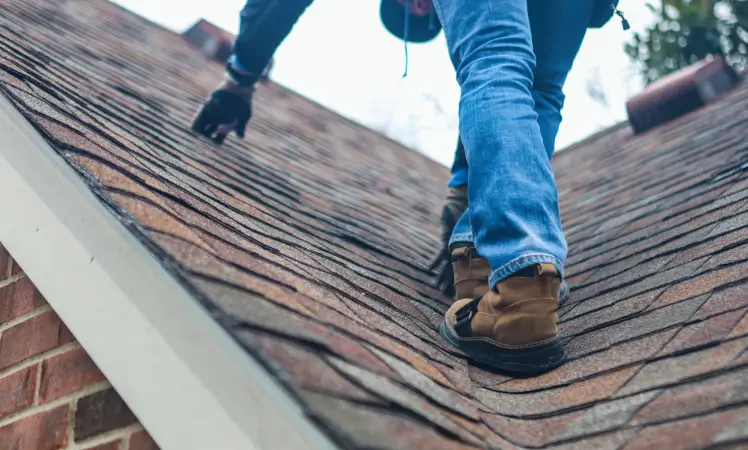
Prevention Through Regular Inspections

The best approach to avoiding costly repairs is early detection through regular inspections. Schedule professional inspections at least twice yearly, especially after severe storms or high winds. Look for missing shingles, signs of damage around vent pipes and roof vents, and any weak spots that could lead to future leaks.

Remember, while DIY repairs can provide temporary relief for small roof leak situations, they’re not long term solutions for serious roofing problems. Quick action combined with professional expertise gives you the best protection for your entire roof and home’s structure.

Need Expert Roof Repair in Bloomington?

Urban Shield Roofing brings over 30 years of experience to every roof repair process. Our professional installers provide permanent solutions for all roof types, backed by our 10-year workmanship warranty and satisfaction guarantee. Whether you’re dealing with minor issues or major damage, we offer free estimates within 24 hours and 10% discounts for military, first responders, essential workers, and seniors. Don’t let a small leak become extensive damage; contact BBB Accredited Urban Shield Roofing today for your thorough inspection and peace of mind.

,

Related Articles

]]>
Top 4 Signs Your Roof Needs Repair Immediately - Urban Shield Roofing /blog/4-signs-your-roof-needs-repair/ Mon, 10 Nov 2025 20:39:25 +0000 /?p=2286 Your roof plays a vital role in protecting your home from the elements, but like any roofing system, it requires regular maintenance and timely repairs to maintain its structural integrity. Ignoring warning signs of roof damage can lead to costly repairs and extensive damage down the line. Understanding when your roof needs immediate attention can save you from an expensive roof replacement and protect your home’s value. Here are the 4 signs your roof needs repair that every homeowner in Bloomington, Indiana should watch for.

One of the most critical signs that your roof requires urgent repair is the presence of water stains on your ceilings or walls. These discolored patches are a clear indication of water intrusion and should never be ignored. Water damage from roof leaks can quickly escalate into a serious issue, affecting your home’s structural integrity and creating health risks through mold growth and mildew growth.

Even small leaks can cause significant damage over time. Water infiltration doesn’t just affect your roofing materials; it can damage insulation, compromise wooden structures, and create conditions for algae growth in dark, damp areas. If you notice peeling paint, bubbling drywall, or musty odors, these are clear signs of damage from water intrusion that requires immediate repair.

After heavy rain or during periods of high humidity, inspect your attic and upper floors for any signs of moisture. The best way to prevent further damage is to address water stains as soon as they appear. Professional roof inspections can help identify the source of leaks and determine the extent of the damage, ensuring that timely repairs prevent structural problems from developing.
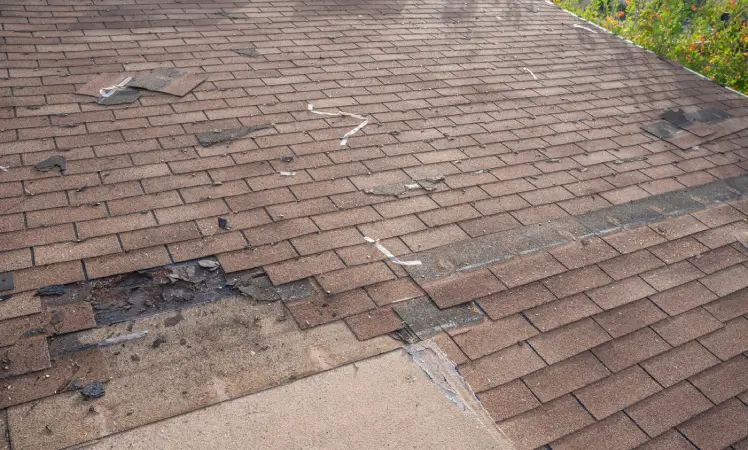
Top 4 Signs Your Roof Needs Repair: #2

Visible damage to your roofing materials is a clear sign your roof needs professional attention. Asphalt shingles, which are common on residential roofs throughout Indiana, can suffer from various forms of deterioration. Missing shingles leave your roof deck exposed to weather conditions, allowing water damage and structural damage to occur rapidly.

Curling shingles indicate that your asphalt shingle roof is approaching the end of its lifespan or has been compromised by UV rays and severe weather. When shingles curl at the edges or buckle in the middle, they can no longer provide adequate protection against strong winds and heavy rain. This makes your home vulnerable to roof leaks and increases the risk of leaks during storm season.

Granule loss is another critical sign that your shingles are deteriorating. If you notice excessive granules in your gutters or downspouts, your shingles are losing their protective coating. 

This accelerates wear and reduces your roof’s ability to shield your home from the elements. Regular roof inspections can catch these roofing issues early, but once you notice widespread shingle damage, immediate attention from a professional roofer is essential to prevent major problems.

Top 4 Signs Your Roof Needs Repair: #3

A sagging roof deck is one of the most serious roof problems you can encounter and requires urgent repair. This critical sign indicates potential structural damage that could pose safety risks to your family. A sagging roof suggests that water has penetrated the underlayment and is affecting the wooden supports, or that your roof structure has been compromised by age, poor ventilation, or water damage over time.

The integrity of your roof depends on a solid foundation. When you notice dips, sags, or drooping areas on your roof’s surface, this signals that structural problems have developed beneath the visible roofing materials. Poor insulation and inadequate ventilation can contribute to these issues by trapping warm air and moisture in your attic, which weakens the roof deck over time. A professional inspection from an experienced roofing contractor can assess whether you need targeted repairs or a full roof replacement.

Top 4 Signs Your Roof Needs Repair: #4

Many homeowners don’t realize that higher energy costs can indicate roof issues. When your roofing system is compromised, it affects your home’s energy efficiency significantly. Gaps, cracks, or deteriorated areas allow conditioned air to escape and outdoor air to infiltrate, forcing your HVAC system to work harder to maintain comfortable temperatures.

Poor ventilation in your attic caused by roof damage creates additional problems. In summer, inadequate airflow traps heat, while in winter, warm air escapes through compromised areas. This crucial role that your roof plays in maintaining energy efficiency means that addressing roof problems promptly can lead to lower energy bills in the long run.

If you’ve noticed higher energy bills without changes to your usage patterns, scheduling a professional inspection can reveal hidden roofing issues. Roofing contractors can perform a thorough visual inspection to identify areas where your roof’s integrity has been compromised and recommend the most cost-effective solutions.

Don’t Wait Until You See One of the Top 4 Signs Your Roof Needs Repair

Regular roof inspections and proactive maintenance are the best ways to extend the lifespan of your roof and avoid costly damage. Whether you have asphalt shingles, metal roofing, or tile roofs, catching small problems early prevents them from becoming major repairs or necessitating a full replacement.

Urban Shield Roofing has proudly served Bloomington, Indiana for over 30 years as a family-owned, BBB-accredited company. We offer free estimates within 24 hours and provide competitive, upfront pricing on all roof repair services. Our professional roofing contractors use high-quality materials and are backed by excellent warranties, including a 50-year warranty on shingles and a 10-year workmanship warranty.

If you’ve noticed any of these warning signs, don’t delay seeking immediate attention from roofing professionals. We offer a 10% discount for military members, first responders, essential workers, and seniors. Contact Urban Shield Roofing today for a comprehensive inspection and protect your home from further damage. 

Related: How Much Does It Cost to Repair a Roof in Indiana? Price Guide

]]>