
Roof Replacement Financing: Best Options for Bloomington Homeowners in 2026
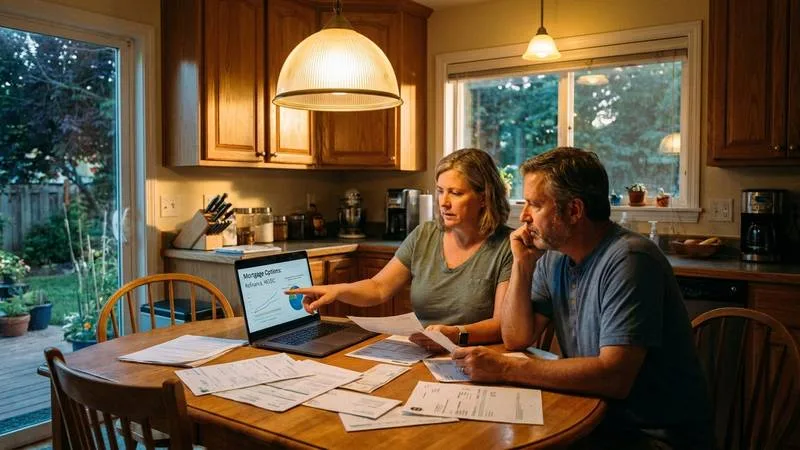
Roof replacement financing for Bloomington homeowners includes personal loans, home equity loans, HELOCs, and contractor financing, with rates from 0% promotional to 25% APR depending on credit and loan type. Most Bloomington roof replacements cost $8,000 to $25,000. Urban Shield Roofing works with homeowners to find payment options that match their timeline and budget.
Homeowners who delay a needed replacement spend an average of $4,000 on interior water damage while waiting — often more than several months of loan payments would have cost. The least expensive roof is the one you finance and fix before the leak reaches the drywall.
What a Roof Replacement Costs in Bloomington

Understanding the total price helps you choose the right financing amount and term.
Typical Price Ranges
A standard residential roof replacement in the Bloomington area runs $8,000 to $25,000 depending on size, material, pitch, and complexity. Architectural asphalt shingles — the most common choice — land most homeowners between $11,000 and $17,000 for a typical 1,500-to-2,000-square-foot home. Metal roofing pushes the range higher, typically $18,000 to $25,000 for the same home.
What Affects Your Total
Roof size is the biggest variable, followed by material choice, number of layers to remove, and structural repairs needed underneath. Steeper pitches cost more because of slower, more hazardous labor. The full breakdown of what goes into a roof replacement covers each component in detail.
Financing Options for Indiana Homeowners

Each financing method trades off interest cost against speed, flexibility, and qualification requirements.
Personal Loans
Unsecured personal loans fund quickly — often within a few days — and don't require home equity. Rates vary by credit score but typically fall between 7% and 15% APR for borrowers with good credit. Terms run 3 to 7 years. This is the fastest path from approval to a new roof when you need to act quickly on storm damage or an active leak.
Home Equity Loans and HELOCs
If you have equity in your home, these options offer lower rates — typically 6% to 10% APR in the current market. A home equity loan gives you a fixed lump sum, while a HELOC works like a credit line you draw from as needed. Both use your home as collateral. The approval process takes 2 to 6 weeks, so these work best when you're planning ahead rather than responding to an emergency.
Contractor Financing
Many roofing companies partner with lenders to offer financing directly. Promotional rates of 0% for 12 to 18 months are common, though rates after the promotional period can reach 20% or higher. The convenience of handling financing and the roof project in one place appeals to homeowners who want a streamlined process. Always read the terms carefully, especially the rate after the promotional window closes.
How to Choose the Right Payment Method

Your decision depends on three factors: how urgently you need the roof, how much equity you have, and how quickly you can pay off the balance.
For emergency replacements after storm damage, personal loans or contractor financing get you covered fastest. For planned replacements where you have 4 to 6 weeks of lead time, a home equity product saves money on interest over a longer repayment period. If you can pay the balance within 12 months, a 0% promotional offer through a contractor may cost you nothing in interest at all.
The cost to replace your roof should be your starting point. Get a firm estimate first, then shop financing with that number in hand. Lenders give better terms when you present a specific project amount rather than an open-ended request. Urban Shield provides detailed written estimates through Acculynx that work well for loan applications.
Frequently Asked Questions
Can I finance a roof with bad credit?
Yes, though your options narrow. FHA Title I home improvement loans accept credit scores as low as 500 to 620. Some contractor financing programs work with lower credit scores at higher rates. Residential roofing is considered a necessary home improvement, which makes lenders more flexible than they would be for cosmetic upgrades. Expect higher rates and shorter terms with lower credit scores.
Does financing a roof affect my home value?
A new roof typically recovers 60 to 70 percent of its cost in home value at resale, according to national remodeling surveys. The financing itself has no direct effect on home value — only the improvement does. If you're planning to sell within 5 years, a new roof removes a major objection from buyers and often speeds the sale.
Should I wait and save up instead of financing?
Waiting makes sense only if your roof isn't actively leaking or showing multiple failure signs. Every month of delay on a compromised roof risks interior water damage that costs thousands to fix. If your roof is functional but aging, saving over 6 to 12 months is reasonable. If it's already failing, the interest cost of a loan is almost always less than the repair bill from water damage.
Find the Right Payment Plan for Your Roof

The right financing method depends on your timeline, your equity position, and how quickly you can pay the balance. What matters most is acting before a deteriorating roof creates damage that costs more than the roof itself. Get a firm estimate, compare your options, and move forward with the plan that keeps your monthly budget comfortable while protecting your home.
Contact Urban Shield Roofing at (812) 606-3636 for a free estimate you can use to shop financing with confidence.