
How to Tell If Your Roof Has Hail Damage: 5 Signs to Look for After a Storm
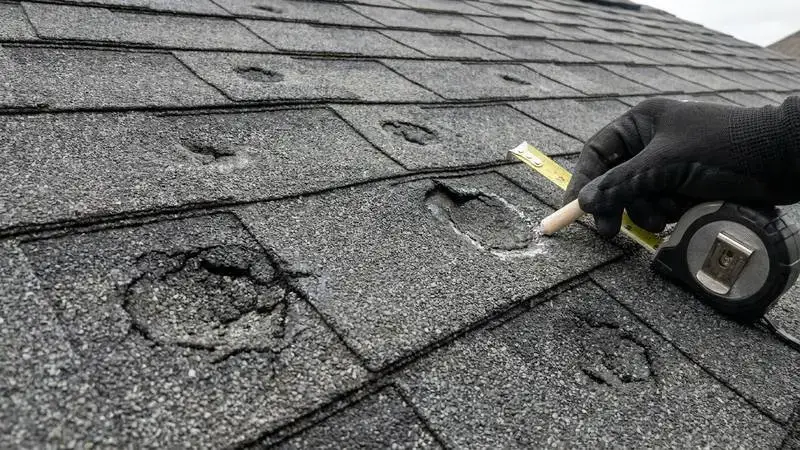
Hail damage on a roof shows up as dented shingles, missing granules, cracked surfaces, and dented metal components. Most damage goes unnoticed for months because it doesn't cause visible leaks right away. Urban Shield Roofing inspects Bloomington-area roofs within 24 hours of a storm at no cost.
The real threat isn't a hole you can see from the driveway. It's bruising beneath the granule layer that lets moisture seep in over weeks and months. Here's how to identify what's actually happening on your roof after an Indiana hailstorm.
Dented or Bruised Shingles

Hailstones striking your roof at 50-plus mph leave round dents or soft spots in the shingle surface. These bruises compress the fiberglass mat underneath, weakening the shingle's ability to shed water over time. Run your hand across a suspected impact zone — a hail-bruised shingle feels spongy compared to undamaged areas nearby. On architectural shingles like the Atlas products Urban Shield installs, bruising often appears as dark circular marks where granules were driven into the mat. This type of damage accelerates aging even when the shingle looks intact from the ground.
Missing Granules in Your Gutters

After a storm, check your gutters and downspouts for piles of small, sand-like granules. Some granule loss happens naturally as shingles age, but a heavy deposit after one storm points to hail impact. Granule loss exposes the asphalt layer to UV, and unprotected asphalt degrades quickly in Indiana's summer heat. You may also notice dark, shiny patches on the shingle surface where granules have been knocked loose. A professional roof inspection can map exactly which sections lost enough granules to need repair.
Cracked or Split Shingles

Large hailstones leave cracks that follow the impact point in circular or half-moon patterns. These look different from the straight-line splits caused by age or thermal cycling — hail cracks radiate outward from a clear center mark. In Monroe County's moderate hail zone, a single spring storm can crack dozens of shingles across one roof slope while leaving the opposite side untouched. Cracked shingles can't be sealed or patched effectively. They require residential roofing replacement of the affected sections.
Dented Gutters, Vents, and Flashing

Metal components dent more visibly than shingles. If your aluminum gutters, roof vents, or pipe flashing show dimples or pockmarks, the shingles between them almost certainly took hits too. These metal markers help your insurance adjuster confirm hail damage — photograph them before any cleanup or repairs. Dented flashing around chimneys and skylights also creates gaps where water enters during the next rain. Storm-chaser contractors sometimes skip the metal inspection, but it's one of the most reliable indicators of hail severity.
Water Stains on Ceilings or Walls

Interior stains sometimes don't appear for weeks or months after a hailstorm, because water follows roof sheathing and framing before reaching drywall. Brown or yellow spots on ceilings, bubbling paint, or damp attic insulation all point to moisture entry from above. By the time you notice interior signs, the roof damage has had time to worsen. If you're navigating an insurance claim after storm damage, interior evidence strengthens your case significantly with the adjuster.
Frequently Asked Questions
How big does hail need to be to damage a roof?
Hail roughly one inch in diameter — about the size of a quarter — can bruise asphalt shingles and dislodge protective granules. Larger stones cause cracks and punctures that require section replacement. Wind-driven hail causes damage at even smaller sizes because it strikes at steeper angles with more force. Urban Shield Roofing documents hail size and damage patterns during every free storm inspection in the Bloomington area.
Should I file an insurance claim for hail damage?
Yes, if your roof shows multiple signs from this list, filing a claim is worth pursuing. Indiana homeowners typically have one year from the storm date to file. Document everything with dated photos and request a professional inspection report before the adjuster visit. An accurate damage assessment from a certified contractor gives your adjuster clear, specific evidence to approve the claim.
Can I check for hail damage myself?
Ground-level checks are safe and helpful — inspect your gutters, downspouts, siding, and window screens for dents and granule deposits. Climbing onto the roof risks personal injury and can worsen damaged shingles if you step on weakened areas. A trained inspector identifies bruising patterns, hairline cracks, and mat compression that aren't visible from the ground or to an untrained eye.
What to Do After You Spot Hail Damage

Catching hail damage early keeps a minor problem from becoming a full roof replacement. Photograph what you can see from the ground, check your gutters for granule buildup, and look inside for any water stains or damp insulation. The difference between a covered insurance claim and an out-of-pocket expense often comes down to how quickly you get a professional inspection on file.
Contact Urban Shield Roofing at (812) 606-3636 for a free roof inspection within 24 hours.