
How Long Does Vinyl Siding Last in Indiana? Lifespan and Care Guide
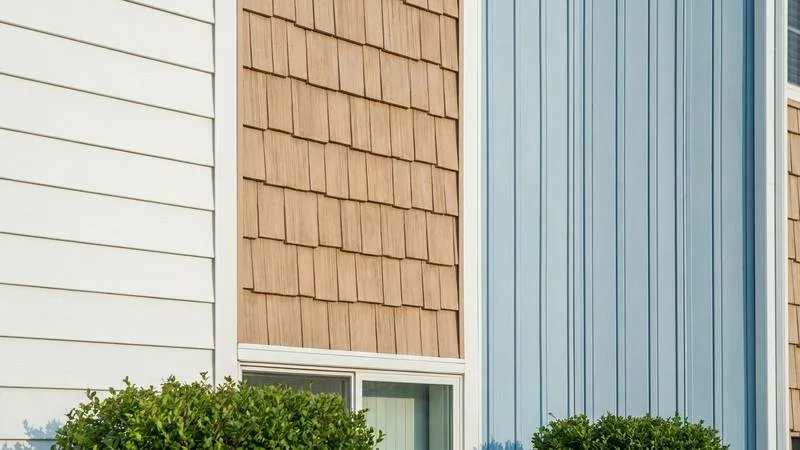
Vinyl siding typically lasts 20 to 40 years in Indiana's climate with basic maintenance. Premium insulated vinyl can exceed 40 years, while economy-grade panels may show wear within 15 to 20 years. Urban Shield Roofing installs vinyl, fiber cement, and LP SmartSide siding across the Bloomington area and helps homeowners choose materials rated for Midwest conditions.
Most homeowners assume vinyl siding is maintenance-free forever. It does resist rot and insects, but Indiana's UV exposure, temperature swings, and hail events degrade even quality vinyl over time. Knowing the actual timeline keeps you ahead of problems instead of reacting to visible failure.
How Long Vinyl Siding Lasts by Quality Level

Not all vinyl siding is built the same. Panel thickness, UV inhibitors, and insulation backing all affect how many years you get before replacement becomes necessary.
Economy-Grade Vinyl
Thin panels in the 0.040-inch range cost $3 to $5 per square foot installed but fade and become brittle faster. In Indiana's climate, economy vinyl typically shows noticeable fading and warping within 15 to 20 years. These panels are common on builder-grade homes in the Bloomington area, and many homes built in the 1990s and early 2000s are now reaching the end of that window.
Standard and Premium Vinyl
Mid-range panels (0.044 to 0.046 inches thick) with UV-stabilized color run $5.50 to $8.50 per square foot installed in Indiana. These typically last 25 to 35 years under normal conditions. Premium insulated vinyl, which bonds a foam backer to the panel, adds impact resistance and thermal performance. Insulated panels cost $7.50 to $10.50 per square foot and can reach 40 years with annual cleaning.
What Shortens Vinyl Siding's Lifespan in Indiana

Indiana's climate creates specific challenges that don't affect siding in milder regions.
UV Degradation and Fading
South-facing and west-facing walls take the most UV exposure. Over 15 to 20 years, the plasticizers in vinyl break down and the color fades unevenly. Darker colors fade faster because they absorb more heat. Homes in open areas without tree cover lose color more quickly than shaded properties. Quality vinyl includes UV inhibitors that slow this process, but no coating eliminates it entirely.
Thermal Expansion and Hail
Vinyl expands in summer heat and contracts in winter cold. Monroe County's temperature range — from below zero to the low 90s — puts panels through significant movement every year. Improperly nailed panels that can't slide freely crack at the nail holes. Hail events crack brittle or aging panels on impact, and the damage often doesn't show until the panel separates from the wall during the next temperature swing.
Signs Your Vinyl Siding Needs Replacement

Individual damaged panels can be replaced without touching the rest of the wall. But when these signs appear across multiple sections, full replacement becomes the more cost-effective path.
Widespread fading that cleaning can't reverse means the UV protection is gone. Panels that feel chalky to the touch have lost their surface integrity. Cracks, warping, or buckling across multiple walls signal material failure rather than isolated damage. Moisture or mold visible behind loose panels means water is getting through — and the residential roofing and siding system need evaluation together. If your siding is past 25 years and showing two or more of these signs, patching individual sections won't solve the underlying problem.
Frequently Asked Questions
How often should I clean vinyl siding?
Once or twice a year with a garden hose and a soft brush or low-pressure washer. Annual cleaning removes mildew, pollen, and dirt that trap moisture against the surface. Avoid high-pressure washing, which can force water behind the panels and into the wall cavity. A gentle rinse from top to bottom is enough for most Bloomington homes.
Can I paint vinyl siding instead of replacing it?
Yes, but painted vinyl needs repainting every 7 to 10 years, and the paint must be formulated specifically for vinyl to avoid peeling and thermal issues. If your siding is structurally sound but faded, painting buys another decade at a fraction of replacement cost. If the panels are cracked or warped, paint won't fix the underlying damage.
Is fiber cement siding worth the extra cost over vinyl?
Fiber cement typically lasts 40 to 50 years and resists fading, impact, and fire better than vinyl. It costs roughly twice as much installed — $10 to $15 per square foot in the Bloomington area. For homeowners planning to stay in their home long-term, fiber cement's lifespan and lower maintenance needs often justify the premium. Urban Shield installs both and can show you the tradeoffs side by side.
Get Ahead of Siding Problems Before They Spread

Vinyl siding protects your home for 20 to 40 years depending on the quality of the product and how Indiana's climate treats your specific exposure. South-facing walls, areas without shade, and older economy panels wear fastest. When fading, cracking, and warping show up across multiple walls, replacement is more practical than chasing individual repairs.
Contact Urban Shield Roofing at (812) 606-3636 for a free exterior assessment covering your siding, roof, and gutters together.